What is a Volleyball Tiebreak Set and Why is it to 15?
In international women's volleyball, the most thrilling battles often come down to the fifth set — the volleyball tiebreak set. For fans tuning into marquee events like those held by the European Volleyball Confederation (CEV), understanding the nuances of this decisive set unlocks a new level of excitement. Today, we break down the fifth set rules, why the tiebreak is played to 15 points instead of the usual 25, and how that smaller margin magnifies momentum swings, scoring duels, and home crowd impact — like the unforgettable showdown in Istanbul featuring Vargas vs Egonu.
The Fundamentals of a Volleyball Tiebreak Set
Before diving into the drama and strategic twists, let’s get the basics laid out clearly. A standard volleyball match is played as best-of-five sets. The first four sets typically go up to 25 points, win by two. However, if the teams split the first four sets, the match is pushed to a fifth and deciding set — the tiebreak. Pretty simple.. This set is shorter, played up to 15 points, still requiring a two-point margin for victory.
Match Stage Points to Win Win by Margin Sets 1 to 4 25 points Minimum 2 points 5th Set (Tiebreak) 15 points Minimum 2 pointsThe important keywords here are win by two points and change of ends at 8. The change of ends (or sides) at the 8-point mark in the fifth set is a feature designed to ensure fairness: the team that started on one court side plays the remainder on the other side, balancing out factors like lighting, crowd noise placement, and floor conditions.
Why is the Tiebreak Set to 15 Points?
The answer relates to the unique qualities of a decisive fifth set:

- Shorter duration: Playing to 15 points quickens the pace and raises intensity. After a grueling four sets, a brisk finish determines the winner without unduly taxing players’ stamina.
- Heightened pressure: Each point in the fifth set carries more weight. The shorter format amplifies every serve, spike, and block.
- Maintains fairness: The switch at 8 points ensures neither team becomes disproportionately advantaged by court conditions or crowd positioning.
These rules keep matches tense and exciting — exactly the kind of thrilling environment fans hope for in volleyball’s biggest tournaments, like the European League or Champions League organized by the CEV.
Five-Set Final Drama: A Showcase of Momentum Swings and Comebacks
Matches that stretch into the fifth set provide rich drama because momentum can shift rapidly. Unlike the longer first four sets where a team can recover from a small deficit, the tiebreak’s brevity raises the stakes on each rally.
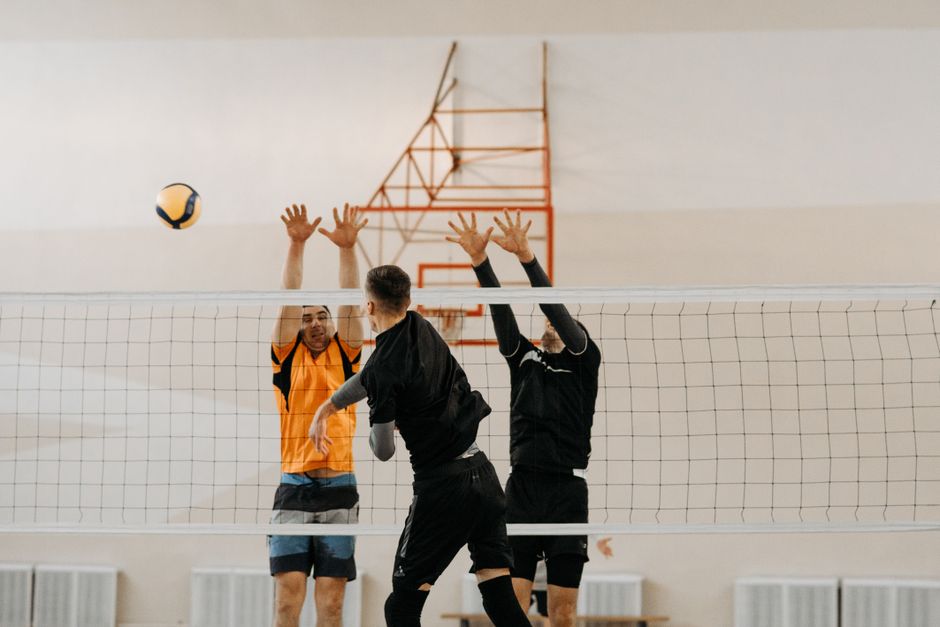
Key Momentum Runs and the 8-Point Switch
A classic example is an 8-4 run by one team before the switch. This is a pivotal stretch because:
- The leading team gains psychological advantage heading into the court swap.
- The trailing team gets a motivation boost, knowing the next side swap means they get equal footing on court.
Tracking runs like these are critical. For example, in a recent CEV Champions League final match, the home crowd in Istanbul watched as the scoring went back and forth. The score might have been 12-12 after a series of mini-runs — but https://varimail.com/articles/turkiye-vs-italy-final-the-key-scorelines-that-shaped-set-4-drama/ the 8-4 start and subsequent momentum swing proved decisive.
Impact of Home Crowd in Istanbul
The home crowd’s energy in Istanbul was tangible, pushing the local team forward during tense points. The proximity of fans means every point feels louder, and the pressure on the visiting team to maintain calm and focus rises. It's not always that simple, though. This atmosphere often turns the fifth set into a showcase of nerves and clutch plays.
Vargas vs Egonu: A Scoring Duel for the Ages
One of the most thrilling narratives in recent volleyball has been the epic scoring duels between stars like Vargas and Egonu. Their duels in these tiebreak situations highlight just how intense the win by two points rule and 15-point target make the fifth set.
- Vargas showcased brilliant serves and spikes early, helping her team surge forward during the initial 8-4 switch-of-ends advantage.
- Egonu responded with precision and power, clawing back points and keeping her team alive at 10-12 down.
These back-and-forth battles not only make great sport but also illustrate how scoring duels and momentum swings are magnified under the tiebreak format. No vague claims of “dominating all match” — the stats tell the story: an 8-4 run at the switch, a tense 14-14 moment, and a final match-winning point led by Egonu’s unstoppable spike.
Summary: Why the Tiebreak Set Rules Are Essential to Volleyball Drama
- The fifth set rules to 15 points keep matches exciting and fast-paced.
- The change of ends at 8 ensures fairness and parity when the pressure is highest.
- A smaller points target means momentum swings and scoring duels can rapidly decide the match outcome.
- Home crowd impact, like in Istanbul, can swing that momentum further during key runs.
- The win by two points rule guarantees that even in a shorter set, the winner truly earned the victory.
For those interested in more thrilling competition, whether in sport or even test your luck online with a break from the intensity of volleyball, check out mrq.com for top-tier online slots entertainment.
Bottom line: the volleyball tiebreak set is not just a shorter set; it’s a concentrated capsule of drama, athleticism, and tension that keeps fans on the edge of their seats. The Click for source rules—15 points, win by two, and switching sides at 8 points—create a perfectly balanced environment for epic comebacks, scoring duels like Vargas vs Egonu, and unforgettable volleyball moments across prestigious events like those hosted by the CEV.