How Do Clubs Monitor Player Fatigue After Matches?
In modern football, the difference between victory and defeat often comes down to fine margins, and managing player fatigue sits at the heart of that battle. With densely packed fixtures — sometimes two games a week or more — and long travels across leagues and European competitions, clubs face a constant challenge to keep their squad fresh and fit. In this blog post, we’ll dig into how top clubs monitor player fatigue after matches, focusing on workload monitoring, sprint data, and training loads. We’ll also explore factors like personalised recovery Additional info plans and sleep disruption after late finishes, translating sports science into what it means for Saturday’s team selection.
The Challenge of Modern Football: Fixture Congestion and Travel
Fixture congestion has become a defining feature of the football calendar, especially https://varimail.com/articles/how-do-european-games-change-recovery-compared-to-league-matches/ for teams competing in multiple competitions like the English Premier League, UEFA Champions League, and domestic cups. Playing two games a week is often the norm rather than the exception. Add midweek European trips and national team call-ups, and player recovery windows can shrink dramatically.
This workload heavy environment puts tremendous physical and mental strain on players. Even the most elite athletes start to lose sharpness if they don’t get enough rest. Fatigue accumulates subtly — often invisible to the naked eye — yet can lead to decreased performance and, worse, injuries if unchecked.
Workload Monitoring: The Foundation of Fatigue Management
To keep tabs on fatigue, clubs rely heavily on workload monitoring. This encompasses tracking how much physical stress players undergo during matches and training sessions. It helps coaching and performance staff make evidence-based decisions on who needs rest and who can push harder.
What Does Workload Monitoring Involve?
- Match Data Collection: GPS and wearable trackers record distance covered, number of accelerations, decelerations, and, crucially, sprint efforts.
- Training Load Metrics: Internal measures such as heart rate or perceived exertion complement external data, providing a fuller picture of how taxing an activity is to the player.
- Regular Player Feedback: Subjective wellbeing questionnaires assess fatigue, muscle soreness, sleep quality, and mood.
Clubs typically compare post-match and post-training loads against baseline fitness levels and historical performance to identify unusual drops or spikes in readiness.
Sprint Data: A Key Indicator of Neuromuscular Fatigue
One of the most telling markers of fatigue is sprint data. Sprinting isn’t just about speed; it demands explosive power, coordination, and neuromuscular sharpness — all of which degrade noticeably when a player is tired.
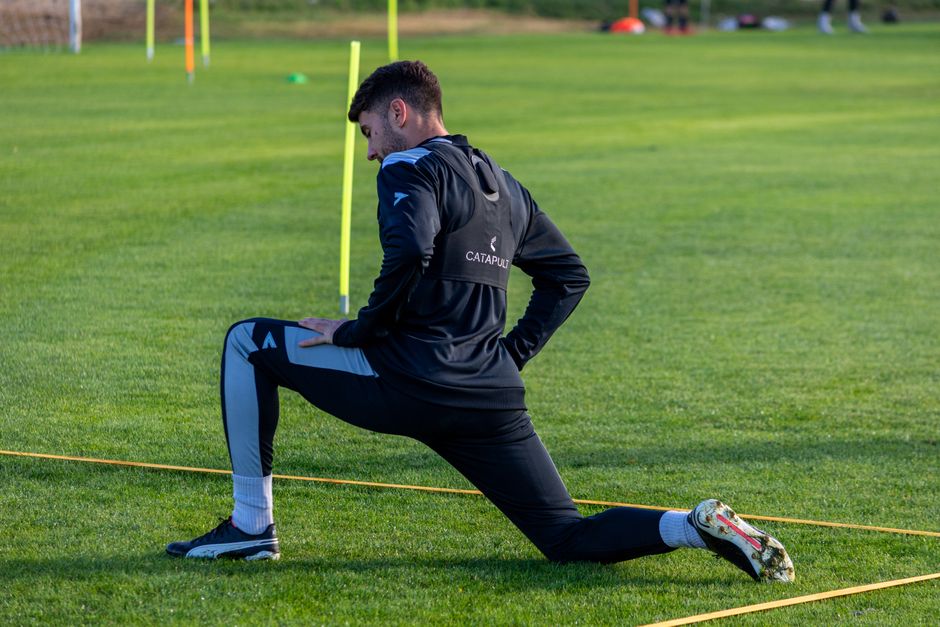
How Sprint Data Helps in Fatigue Management
- Measuring Top-End Speed and Sprint Volume: A drop in the number or intensity of sprints after a match often signals that a player is struggling to fully recover.
- Monitoring Sprint Length and Recovery Between Sprints: Shorter or slower sprints and longer recovery times between bursts indicate neuromuscular fatigue.
- Individualised Analysis: Metrics are tracked against each player’s usual output to spot subtle declines.
Practically, if a midfielder who normally hits 20+ high-intensity sprints in a game comes back with only 12 in recovery sessions, staff may opt to reduce their load or change their training focus.
Personalised Recovery Plans: Because No Two Players Are the Same
Fatigue is not one-size-fits-all. Clubs invest heavily in tailoring recovery programmes to individual player profiles, injury history, and response to workloads.
Common Components of Personalised Recovery Plans:
- Active Recovery Sessions: Low-intensity exercises to flush out metabolic waste and promote muscle repair.
- Massage and Physiotherapy: To alleviate muscle tightness and address any niggles.
- Hydration and Nutrition: Timely replenishment of fluids and carbohydrates accelerates recovery.
- Load Management: Adjusting training intensity and rest days based on monitoring data.
- Neuromuscular Testing: Regular assessments to gauge when players can ramp activity back up.
For example, a player returning from an intense 90 minutes with a high sprint count but reporting low fatigue might receive a quicker return-to-training protocol than a teammate with deeper fatigue markers.
Sleep Disruption after Late Matches: An Often-Overlooked Factor
Sports science literature and clubs’ own experience increasingly highlight the impact of sleep disruption on recovery. Matches that finish late at night, especially Thursday night games in Europe followed by Sunday fixtures, throw players’ circadian rhythms off balance.
Why Sleep Matters in Recovery
- Muscle Repair and Memory Consolidation: Deep sleep phases promote tissue regeneration and consolidate tactical learning.
- Hormonal Balance: Growth hormone and testosterone spike during sleep, crucial for maintaining muscle mass and strength.
- Immune Function: Proper rest reduces illness risk, a serious setback during congested periods.
Clubs monitor sleep quality through wearable tech or player self-reporting. If players report poor sleep after a late kick-off, staff may adjust morning training times or provide additional recovery aids such as light therapy or nap opportunities.
Translating Monitoring Into Saturday Selection
Ultimately, all this data and science funnel into a crucial practical question: Who starts on Saturday? Coaches and performance staff weigh workload and sprint data against the tactical importance of the fixture and opponent.
Here’s how monitoring informs selection:

- Players Showing Fatigue Signs: May be given reduced minutes, substituted earlier, or rested outright to avoid risk of injury or impaired performance.
- High Workload Players: Might engage in tailored pre-match preparation focusing on lowering fatigue impact.
- Optimally Recovered Players: Are favoured for demanding roles requiring intense runs and pressing.
This nuanced approach helps clubs balance short-term results with longer-term squad health.
Conclusion
In today’s football, managing player fatigue goes beyond just watching who looks tired on the pitch. It involves sophisticated workload monitoring, detailed sprint data analysis, and personalised recovery strategies — all tailored to the unique demands of fixture congestion and travel. Add in the often overlooked challenges of sleep disruption after late matches, which can drastically affect physical and mental readiness.
By translating these insights into practical training and selection decisions, clubs can gain the fine margins needed to maintain competitive edge week in, week out. For fans, understanding these science-backed approaches reveals just how much hard work goes on behind the scenes to keep top players fit for Saturday’s kickoff.